

led floor length mirror
Understanding the No-Go Ring Gauge A Key Tool in Precision Engineering In the world of precision engineering and manufacturing, the No-Go ring gauge serves as a critical tool for quality control and dimensional accuracy. This specialized gauge is part of a broader family of measurement devices that engineers, machinists, and quality control inspectors use to ensure that manufactured components meet their specified tolerances. Understanding its function, design, and application is essential for anyone involved in manufacturing processes. What is a No-Go Ring Gauge? A No-Go ring gauge is a cylindrical device that is used to check the size of a shaft or external diameter of a workpiece. The term No-Go indicates that the gauge should not fit onto the part being measured if the part is within the specified tolerance. Essentially, it is a form of limit gauge that helps ascertain whether a manufactured component has exceeded its maximum allowable dimensions. How Does It Work? The No-Go ring is designed to be slightly larger than the maximum allowable dimension specified for the part being measured. For a proper fit to be achieved, the part must be inserted into the gauge. If the part fits into the No-Go gauge, it indicates that the part exceeds its allowable size, and thus, it is considered out of tolerance. Conversely, if the part does not fit, it is within specifications. This binary assessment simplifies the inspection process and allows for quick determinations concerning the acceptability of components. Construction and Calibration no go ring gage A No-Go ring gauge is typically made of high-quality tool steel or similar materials to ensure durability and long-term accuracy. The gauge is precision-engineered to ensure that it maintains its dimensional integrity over time, which is crucial in a manufacturing environment where tolerances can be very tight. Regular calibration of these gauges is essential to maintain their accuracy. Calibration ensures that the gauge continues to provide reliable measurements and remains effective in quality control processes. Typically, manufacturers follow strict procedures to check and recalibrate these gauges periodically based on industry standards. Application in Manufacturing The No-Go ring gauge is particularly valuable in industries where precision is critical, such as automotive, aerospace, and medical device manufacturing. For instance, in the production of engine components, a No-Go gauge might be employed to verify whether a shaft adheres to the specified diameter requirements. If the shaft is too large, it may not fit properly in its intended assembly, potentially leading to mechanical failures. The use of No-Go gauges also enhances overall efficiency in production by reducing the likelihood of defective parts proceeding through the manufacturing process. By catching out-of-tolerance components early, manufacturers can save on costs associated with rework and scrap. Conclusion In summary, the No-Go ring gauge is an essential instrument in precision engineering that plays a vital role in quality assurance. Its design allows for straightforward evaluation of manufactured components, ensuring they meet strict dimensional tolerances. By using this tool effectively, manufacturers can enhance production efficiency, reduce waste, and improve the overall quality of their products. Understanding and properly utilizing No-Go ring gauges is integral for anyone involved in the manufacturing process, reinforcing the importance of precision in modern engineering practices. As industries continue to evolve and demand higher standards, tools like the No-Go ring gauge will remain essential in the quest for quality and accuracy.
about
led floor length mirror
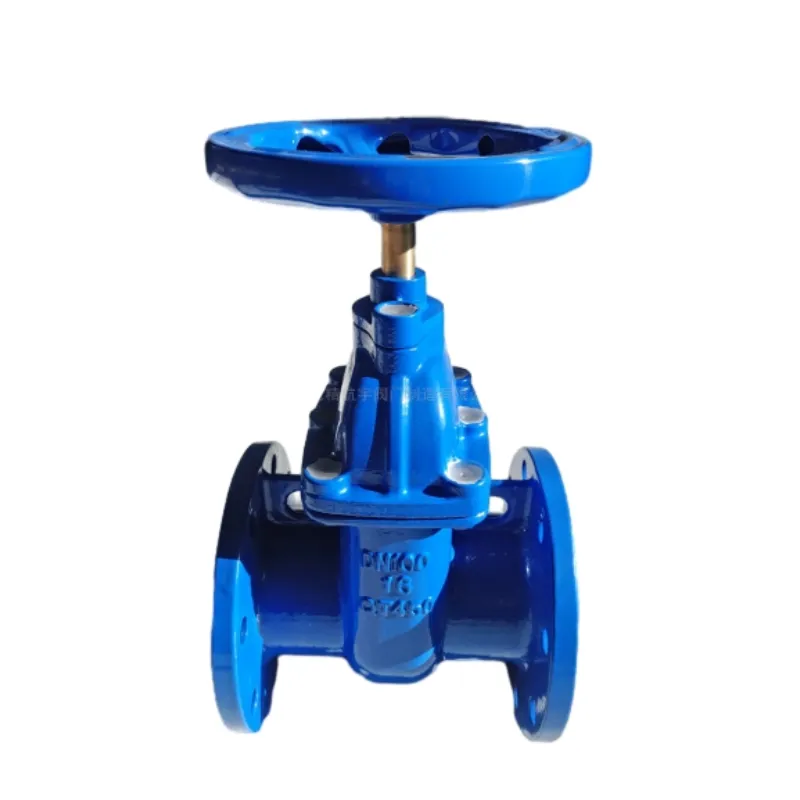
Introduction to the Slow Closing Check Valve In modern hydraulic systems, the Slow Closing Check Valve has emerged as a critical component for ensuring smooth operation and preventing damage from water hammer effects. Developed by Storaen (Cangzhou) International Trading Co. , this innovative valve combines advanced engineering with practical design to address the challenges of fluid control in industrial and commercial applications. Key Features of the Slow Closing Check Valve The Slow Closing Check Valve is designed with a novel structure that ensures optimal performance. Its primary features include: Excellent Sealing Effect: The valve minimizes leakage, ensuring efficient fluid flow and reducing maintenance costs. Low Resistance: Designed to maintain high flow capacity while minimizing pressure loss. Long Service Life: Constructed from durable materials, the valve withstands harsh operating conditions. Adjustable Speed Control: Users can fine-tune the valve's opening/closing speed to match site-specific requirements. Water Hammer Mitigation: The slow-closing muffler mechanism effectively reduces the impact of sudden pressure surges. These features make the Slow Closing Check Valve a reliable solution for industries reliant on precise hydraulic control. Advantages Over Traditional Check Valves Compared to conventional check valves, the Slow Closing Check Valve offers several distinct advantages: Enhanced Durability: The use of high-quality materials ensures longevity, even in high-pressure environments. Improved Safety: The water hammer reduction feature protects piping systems from sudden stress, preventing costly repairs. Customizable Performance: The adjustable speed control allows for tailored operation, optimizing system efficiency. Cost-Effective: Reduced maintenance and extended service life lower overall operational costs. These benefits position the Slow Closing Check Valve as a superior choice for applications requiring precision and reliability. Technical Specifications Parameter Specification Pressure Rating Up to 300 psi (depending on model) Flow Capacity High-flow design with minimal resistance Materials Stainless steel, cast iron, or custom alloys Adjustable Speed Control Yes (via built-in damping mechanism) Sealing Type Double-sealed design for leak-proof performance Operating Temperature Range -20°C to 120°C Compliance Standards ISO 5752, ASME B16.34 Application Scenarios The Slow Closing Check Valve is versatile and suitable for a wide range of applications, including: Industrial Piping Systems: Ensures smooth fluid flow in manufacturing and processing plants. Water Treatment Facilities: Prevents water hammer in municipal and industrial water systems. HVAC Systems: Regulates coolant flow in heating, ventilation, and air conditioning systems. Oil and Gas Industry: Provides reliable pressure control in pipelines and storage tanks. Power Generation: Protects turbines and pumps from sudden pressure fluctuations. Its adaptability makes it an essential component for industries prioritizing efficiency and safety. About Storaen (Cangzhou) International Trading Co. Storaen (Cangzhou) International Trading Co. is a leading provider of hydraulic and industrial components, specializing in innovative solutions for global markets. With a commitment to quality and customer satisfaction, the company has established itself as a trusted partner for businesses seeking reliable equipment. Their expertise in hydraulic check valve types and related technologies ensures that their products meet the highest standards of performance and durability. Why Choose the Slow Closing Check Valve? The Slow Closing Check Valve stands out due to its combination of advanced engineering and practical design. By addressing common issues like water hammer and pressure surges, it enhances the longevity of hydraulic systems. Additionally, its adjustable features allow for customization, ensuring optimal performance in diverse environments. For industries that demand precision and reliability, this valve is an ideal choice. Conclusion The Slow Closing Check Valve from Storaen (Cangzhou) International Trading Co. represents a significant advancement in hydraulic technology. With its innovative design, robust features, and wide range of applications, it is a valuable asset for any system requiring precise fluid control. By investing in this product, businesses can ensure enhanced efficiency, safety, and cost savings. References NIST.gov provides authoritative information on standards and measurements in fluid dynamics. According to the National Institute of Standards and Technology (NIST), "Precise measurements and standards are critical for the development of reliable hydraulic systems" ( NIST.gov ). This article references NIST's guidelines on fluid control and pressure management to ensure the accuracy of technical specifications.
-

High quality industrial productsagement

High quality industrial products
View Details -

Meet the diverse needs of customers

Meet the diverse needs of customers
View Details -

Strict quality control

Strict quality control
View Details -

Top raw materials

Top raw materials
View Details -

Trusted supplier

Trusted supplier
View Details
Our application
news and information
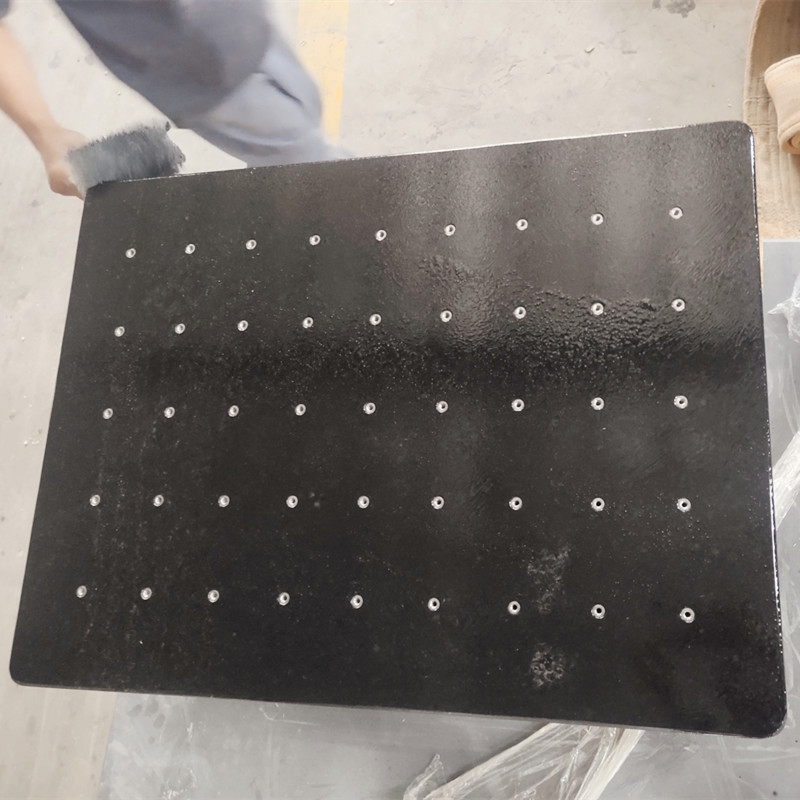
Versatile Metal Ruler for Precise Right Angle Measurements in DIY Projects
The Right Angle Metal Ruler A Crucial Tool for Precision and Accuracy In the realm of measurement an
Válvulas de compuerta y válvula de cierre
Las válvulas de compuerta (gate valves) y las válvulas de globo (globe valves) son dos tipos de válv

Welding Inspection Ruler for Accurate Joint Measurement and Quality Control
The Importance of Welding Inspection Rulers in Quality Control Welding is a critical process in nume
 English